Tuesday, 23 March 2010

Who would be the audience for your media product?


As my magazine is targetted to more of a niche audience, the target audience can vary between people of a younger age to older adults; anybody who enjoys the Acoustic genre. The two people shown here represent the stereotypical buyers/subscribers of my magazine:

The first image shows Emma. She is 17 years old and lives in a small village called Chacombe. Her taste in music is eclectic, she prefers mellow, acoustic music such as Paolo Nutini  and also indie music such as  Bombay Bicycle Club. Emma shops in places such as Topshop, H&M and other vintage shops that are off the main high street. In her spare time she enjoys reading, listening to music, walking and socialising with her friends. Emma would buy my magazine as the musicians featured throughout are appealing to her, the young woman on the front cover is of similar age, slightly older and therefore Emma can relate to her and would be more inclined to buy a magazine that shows someone of similar age and personal style as opposed to a magazine such as Kerrang! which could feature very opposing artists to her own personal tastes.

The second image shows Paul. He is 54 and lives in small town. He is very fond of music and has a varied taste including acoustic, rock and alternative music. However, he gets frustrated that there are no commercial magazines dedicated solely to the Acoustic genre; he does not like commercial magazines such as Q as it is too vague and diverse. He likes bands such as Pink Floyd and Acoustic artists such as David Gray. He is not very interested in fashion and his wife normally buys his clothing. In his spare time he enjoys walking, going to concerts, gardening and watching television documentaries such as 'Life' and watching channels such as Sky Arts which provide documentaries about musicians. He would buy my magazine as he would be interested in the gear reviews and the information about concerts. Also the artists featured would be appealing.
Generally, both Emma and Paul would buy my magazine as it is specifically for the Acoustic genre. The layout is not too complicated, and the colours used complement the style of the magazine.

Other people that would read my magazine would be those that in fact play the Acoustic guitar. The gear reviews featured are specifically aimed at those people who know what they are about; only someone who plays the guitar would understand the gear reviews. The gear reviews are also aimed at those people wishing to buy the gear, and are looking for a professional opinion. 


Monday, 22 March 2010

What Kind of media institution might distribute your music magazine and why?

'Acoustic Magazine' is a very similar magazine to mine. It is a niche magazine that is not sold in high street retailers such as WH Smiths and Supermarkets like Tescos. It is distributed mainly via subscription. Below is a link to the options for subscribing to their magazine: 
http://www.acousticmagazine.com/index.php?option=com_wrapper&Itemid=26
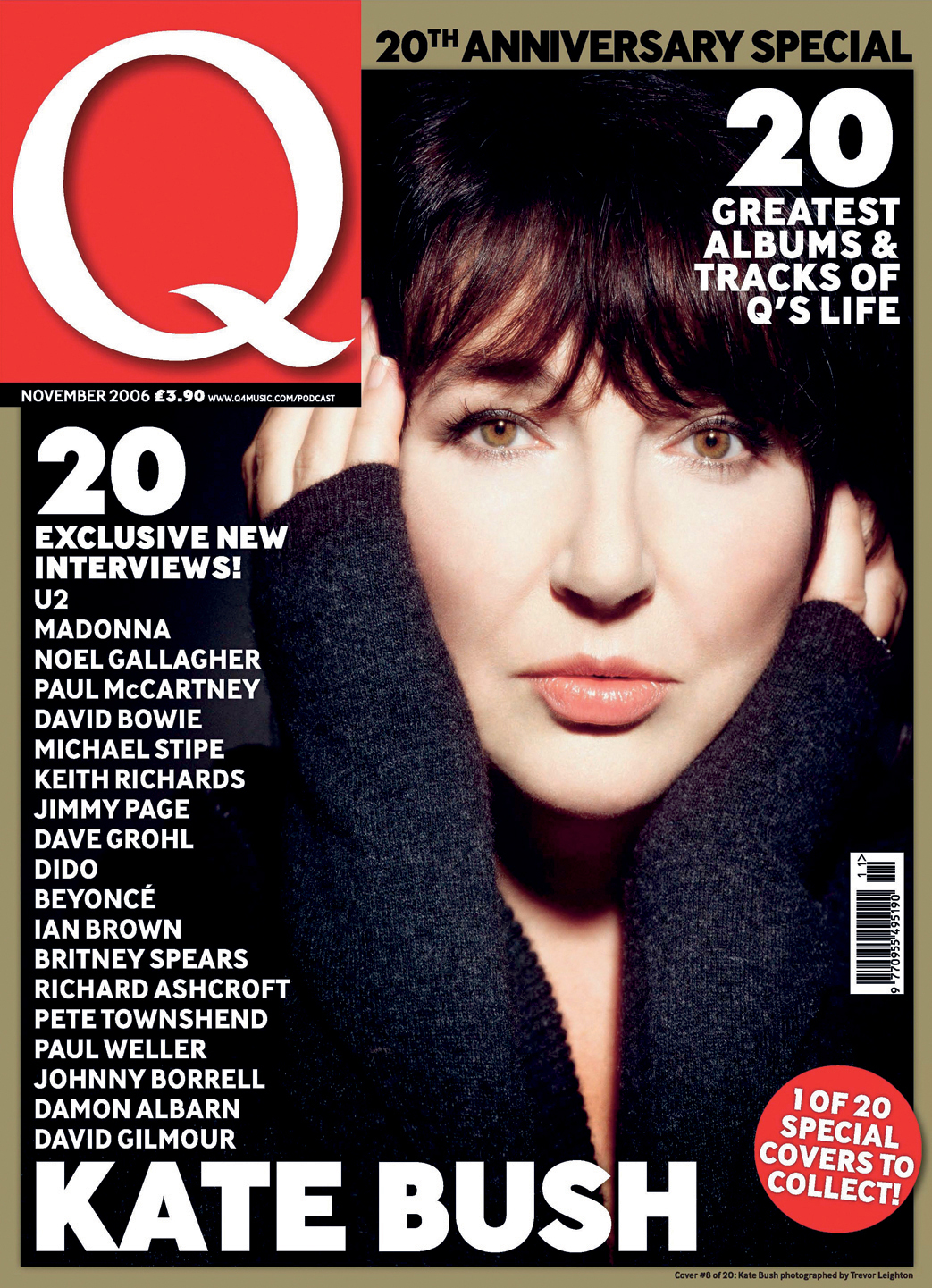
As my magazine is a niche one too, it would probably be hard to secure a distribution deal with high street stores as it would not give them enough turnover. Also it would compete with other monthly magazines such as Mojo and Q. 
Between January - December 2009, Q reached a readership of 554,000 of readers aged 15-44 according to the National Readership survey. This is roughly the same age range as my target audience and so it would not benefit my magazine to compete against these mainstream ones.
Therefore, I would probably follow in the footsteps of Acoustic Magazine and provide a subscription option and this will be advertised online on music websites such as MySpace or in music shops such as One Man Band in Banbury. If I were to sell copies of my magazine, it would be best to sell them in Specialist music shops such as One Man Band. This would therefore put my magazine right into the direct market of musicians and music lovers. I would use a distribution house such as http://www.musicmags.net/ as they focus on specialist niche magazines

Sunday, 21 March 2010

How does your media product represent particular social groups?


These two images show the image that I used on my front cover and an image of acoustic singer Amy Macdonald who I feel is most similar to 'Willow' in terms of style of music style and age.
Amy's direct mode of address provides a strong bond between the her and the viewer, and I felt this was important to demonstrate in my magazine as I want to broadcast a feeling of friendliness and warmth to the reader. The camera is positioned at eye level and similarly to the picture of Amy Macdonald, the medium shot fills the page and emphasises the close connection between 'Willow' and the viewer. 
Dissimilarly to the picture of Amy Macdonald, I did not want to include a background as I wanted 'Willow' to be the main focus of the shot; her smiling expression again fullfills the representations of Acoustic as being positive and friendly and the floral dress adds femininity and adds to the connotations of purity and nature when thinking of the Acoustic genre.
The lighting used in my shot is warm and as a part of post production I increased the yellows and reds in the image to add warmth which I feel really links the whole composition together, and I have used this warm lighting and colour scheme throughout my magazine.
Overall this image represents the niche audience of Acoustic/Folk to be friendly and have warm personable qualities.

Saturday, 20 March 2010

In what ways does your media product use, develop or challenge forms and conventions of real media products?


1. Title of my magazine:
When thinking about the name of my magazine it was important to think about how it would represent the genre of music and the vibe that i wanted to portray. I did not want to represent the acoustic genre as being dull and unexciting, however wanted to maintain the connotations of purity and nature. I chose to spell it phonetically to make immediately it attract the eye and the 'coo' creates a soft sound therefore suggesting that the magazine is natural and pure.

2. Mise-en-scene of images:
As my magazine is focussed on the Acoustic/Folk genre, it was important to compose my images to reflect the genre of music. In the picture labelled '2' you can see that the model is positioned against a plain background and is the focus of the image, she comprises of over 2/3rds of the shot making her the focal point. The plain background emphasises the connotations of acoustic being pure and simple and so the mise-en-scene of the images did not need to be over crowded. I think the simplicity of the shots work well with the genre of magazine as opposed to a very crowded image found on mainstream magazines. (Example)

3. Costumes and props:
In picture '3' the model is wearing a flowery dress and is posed with an acoustic guitar. I decided to have no other props to complement the mise-en-scene of images and again, reinforce the connotations of the Acoustic genre unlike some mainstream magazines that use a variety of props and have busy set designs. (Example)

4. People:
The models used on the contents page and front cover represent older musicians of the Acoustic/folk genre. I chose musicians that were recognisable to fans of this genre, no matter what age or gender therefore maintaining and increasing the market for my magazine. Here is a link showing the real life musicians pictured: (Imogen Heap) (James Morrison) The only reason for not photographing people of a similar age to the musicians was that I could not find any body with real resemblance, but the models I chose do in fact represent older musicians. 

5. Title font and style:
The masthead uses a font which connotes antiquity and has a rusty appearance due to its colour scheme and design. I feel the colour scheme works well to complement the rest of the magazine and also represents the acoustic genre very well; they are all warm browns, oranges and greens which enhance the natural/warm quality of my magazine.

6. Written content:
The content included in my magazine maintains the conventions of a music magazine; I have included interviews with musicians, information about concerts and a selection of reviews. I have tailored these features to be suitable to my genre.

7. Music genre and how your magazine suggests it:
I have included an effective use of prominence on my front cover; the BBC Folk Awards (Info about Folk awards) is an event that my target market would collectively recognise and understand and so would be appealing for them. The colour scheme throughout my magazine is based on colours which I feel effectively represent the acoustic genre as being pure and natural and therefore most of the colours are warm and neutral. Also the features in picture '7' show that the content of the magazine is specifically focussed on the acoustic/folk genre; there are gear reviews based on acoustic guitars and the interviews feature prominent acoustic/folk artists.

8. Layout:
Conventional layouts of magazine use techniques such as the left-side third in which the main pieces of information are placed on the left hand side vertical third on the front cover (Example). However I have not decided to do this as my magazine is a niche magazine and so does not need to attract a mass market. I placed the information on my cover where I felt appropriate: I used a visual hierarchy to place the main article anchoring the image directly below it, the second most important article in the left-side third and the other  articles framing the main image. The double page spread also uses a simple layout and colour scheme to emphasise the prominent musician.

9. Contents page:
The contents page does not necessarily conform to the generic conventions of magazines; there are not as many pictures and there are no adverts as you would find on magazines such as Kerrang! (Example) However this simple style works well for the genre and the fact that it is a niche magazine means that having adverts and an overcomplicated style would not complement it. I included features that would be found on other magazines such as reviews and concert dates but tailored them to be suit the genre I am focussing on.